
I am always cold.
I keep my thermostat at 74 degrees and get cold when it drops below 72.
I long suspected that my thyroid was to blame for my inability to regulate body temperature, but only recently learned that the vagus nerve and other systems of the body that can be supported by essential oils, play a key role in thermoregulation, the biological mechanism responsible for maintaining a steady internal body temperature.
What is Thermoregulation?
Thermoregulation is a homeostatic process that maintains a steady internal body temperature despite changes in your external environment. Maintaining a body temperature within a tight range – around 98.6°F (37°C) – allows for the enzymes and immune responses of the body to maintain proper functionality.
Your body maintains a temperature using physical processes, including sweating to lower the body temperature, shivering to raise it, and narrowing or relaxing blood vessels to alter blood flow.
You may know that your body temperature fluctuates throughout the day. It is normally slightly lower in the morning and slightly higher in the evening. That said, your core body temperature tends to drop to its lowest value during the second half of your sleep cycle; this low point is one of the primary markers for circadian rhythms.
The thermoregulation system includes your hypothalamus, vagus nerve, circulatory system, sweat glands and skin.
Essential Oils for Temperature Regulation
A number of essential oils have the effect of helping to raise, lower or normalize body temperature.
Essential oils like Peppermint and Lavender are known to have a cooling effect on the skin and body and may help to reduce body temperature. Peppermint essential oil, in particular, contains the constituent menthol which is believed to contribute to its natural cooling properties.
I was curious how menthol exerts its cooling effect and found a few theories. One suggests that when menthol binds to a cold receptor, it increases the intracellular calcium concentration and causes the same nerve stimulus as, for example, contact with cold water. The body then feels a cool sensation.
Another hypothesis suggests that menthol causes a cool sensation on the skin and mucous membranes. For example, after brushing your teeth, you get that minty fresh feeling. This cold feeling is created because menthol docks onto thermoreceptors in the skin or mucous membranes. These thermoreceptors are specialized to respond to either cold or heat stimuli and sense the ambient temperature.
Similarly, hot essential oils including clove, cinnamon, thyme, oregano, eucalyptus, and rosemary can activate heat receptors, raising your body temperature, increasing circulation and helping to induce a feeling of warmth, especially in cold extremities. It is believed that molecules of essential oils bind to a heat receptor in the mucous membrane and create a sensation of heat. Case in point, if you eat a hot food, like pepper, you might begin to sweat.
Essential oils may also help improve circulation by relaxing the smooth muscles that line the blood vessels, improving your circulation and increasing oxygen levels in the process. Plant compounds, including the highly concentrated essence of plants found in essential oils, have been shown to help the veins contract, stimulating blood flow and enhancing “microcirculation,” which is the flow of blood through the body’s smallest vessels.
More specifically, plant compounds like polyphenols and flavonoids, have been shown to improve blood flow. Essential oils of Thyme and Basil are high in flavonoids. Citrus fruits like oranges, lemons, bergamot, and grapefruits contain numerous flavonoids.
How does Temperature Regulation Work in Your Body?
Your temperature regulation system includes:
Hypothalamus:
Temperature receptors around the body – called thermoreceptors – identify whether your core temperature is too hot or cold.
The body has peripheral and central thermoreceptors. The peripheral thermoreceptors are located in the skin and sense surface temperatures, while central thermoreceptors are found in the viscera, spinal cord, and hypothalamus and sense the core temperature. Variations in body temperature activate these thermoreceptors, which relay the information to your hypothalamus, which responds to the information it receives from afferent sensing to signal the release of hormones that alter body temperature. These hormones send heat regulation signals to various parts of the body so that it can increase or decrease body temperature and return it to baseline.
Hypothalamus™ is designed to balance the hypothalamus, and help regulate temperature control. When your hypothalamus functions optimally, the cascade of hormones falls into balance. For example, your hypothalamus can release thyroid hormones to increase your metabolic rate and subsequent heat production. Similarly, the primary motor center in the posterior hypothalamus causes skeletal muscle contraction and shivering, leading to increased heat production. Conversely, the hypothalamus can decrease the release of catecholamines from the adrenal glands and thyroid hormones, leading to a reduced metabolic rate.
If the hypothalamus is clearly able to send and receive signals, temperature regulation should function optimally. During menopause the hypothalamus, the control center for your endocrine system, can get overwhelmed, leading to temperature dysregulation like hot flashes.
To help return the hypothalamus to balance, apply 1 drop of Vibrant Blue Oils Hypothalamus™ to the forehead right above the third eye (right above the nose between eyebrows and hairline) up to 6 times daily. For Aromatic Usage, hold the bottle under nose for 3 or 4 breaths.
READ THIS NEXT: Balancing Hormones with Hypothalamus Essential Oil
Circulation™
Formulated to support healthy circulation to deliver oxygen and nutrient rich blood to the body and the brain, while simultaneously carrying toxins and waste to the kidney and liver to be eliminated. The Circulation™ blend contains a proprietary formulation of organic and/or wild crafted essential oils that work synergistically to support healthy circulation and blood flow to the body and the brain, including Black Pepper, which helps to warm the body and stimulates circulation, increasing blood flow and heat. This helps to boost nutrient absorption so much that it is often added to supplement formulations to enhance the effectiveness of the supplement.
Black pepper and its active compound piperine have been found to enhance circulation, increasing blood flow throughout your body which helps increase body temperature. The blend also contains Cypress which may help improve circulation and contraction of the blood vessels, making it easier to stimulate blood flow.
READ THIS NEXT: Essential Oils for Circulation
Parasympathetic®
The vagus nerve may indirectly influence temperature regulation. Research has noted the vagus nerve plays a critical link in regulating body temperature by relaying visceral organ information and regulating numerous physiological functions, including visceral thermal reflexes.
Your vagus nerve is a major bidirectional connection between visceral organs and the brain. “Thermosensitive vagal afferents may sense temperature changes from the airway and gastrointestinal tract, and mediate visceral thermal reflexes.”
Your vagus nerve helps generate heat by activating your sympathetic nervous system which causes vasoconstriction of skin arterioles, causing blood to bypass the skin and leading to a decreased loss of heat. Additionally, adrenal glands release catecholamines, like epinephrine and norepinephrine, which increase your metabolic rate and heat production. To dissipate heat and cool down, the vagus nerve can activate sympathetic cholinergic fibers innervating sweat glands, leading to increased sweat and increased heat loss and inhibiting sympathetic activity in blood vessels of the skin, causing blood to be shunted to the skin and an increased heat loss.
A healthy and toned vagus nerve is thought to help mediate these physiological responses to temperature changes inside the body along with the underlying regulatory mechanisms that support healthy temperature regulation.
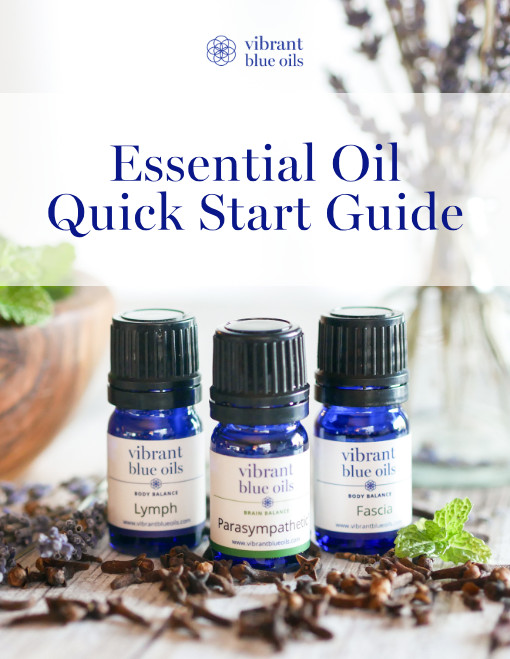
Parasympathetic® blend helps stimulate your vagus nerve and activate your parasympathetic nervous system to support healthy temperature regulation. Apply Parasympathetic® over the vagus nerve (behind the earlobe on the mastoid bone) to activate the vagus nerve.
READ THIS NEXT: How Parasympathetic is Critical to Your Health