Your lymphatic system supports every system in your body. It involves an extensive network of vessels that pass through almost all the tissues in your body, allowing for the movement of a fluid called lymph. Lymph circulates through the body in a similar way to blood. There are about 600 lymph nodes in the body. These nodes swell in response to infection due to a buildup of lymph fluid, bacteria, or other organisms, as well as immune system cells.
Your lymphatic system plays a key role in your immune system, fluid balance, and absorption of fats and fat-soluble nutrients. When lymph flow slows, toxins, inflammation, fluid retention, and digestive discomfort can occur. Enhancing lymphatic movement helps detoxify tissues, reduce inflammation, support immunity, and ease digestion.
You can improve lymphatic drainage and healthy fluid flow in the body by topically applying essential oils on specific points of lymphatic congestion in a particular order. Stimulating these points with essential oils may help facilitate the movement of nutrients into tissues via blood flow (arteries) and the removal of waste from tissues via lymphatics and blood flow (veins).
This gentle, non-invasive protocol encourages the natural flow of lymph fluid, which is crucial for immune function and waste removal. It promotes efficient lymphatic flow while enhancing immune function, reducing inflammation, and aiding in detoxification.
Big 6 Lymphatic Drainage Protocol
Lymphatic drainage massage employs gentle, rhythmic strokes to stimulate the flow of lymphatic fluid from swollen areas toward lymph nodes, which then drain into the bloodstream.
Your lymphatic system operates on pressure gradients, moving fluid from high-pressure areas (like the extremities) to low-pressure zones (such as the collarbone region). It is therefore essential to open areas of congestion in a particular order to create a “vacuum” for lymph in surrounding tissues. My colleague Perry Nickerson of Stop Chasing Pain created an easy-to-follow 6-step protocol to stimulate the six main points of lymphatic congestion.
Targeting these sites in the prescribed order acts like a gentle pump, guiding lymphatic fluid through its natural pathways to facilitate detoxification and reduce inflammation.
Start with the collarbone area to clear the primary drainage pathways, ensuring that subsequent regions have a clear route for lymph fluid to flow. Skipping or reordering these steps can lead to congestion, as downstream pathways may remain blocked, preventing adequate drainage from upstream areas.
Symptoms of Lymphatic Congestion
If your lymphatic system is congested, elimination, detoxification, and immunity may be affected, resulting in symptoms such as:
- Soreness and/or stiffness in the morning
- Fatigue or lack of mental clarity
- Dry or Itchy skin
- Mild Rash or acne
- Congestion, stuffy head, sinus, or periodontal infection
- Holding on to water/ Rings get tight on fingers
- Brain fog
- Cold or swollen hands and feet
- Weight gain and extra belly fat
- Bloating or water retention
- Swollen glands or joints (Knees, elbows, ankles, wrists, breast tenderness)
- Weak immune system or increased susceptibility to infections
- Mild headaches
- High histamine levels and irritations due to common environmental allergens
- Occasional constipation, diarrhea, and/or mucus in the stool
- Hypersensitivity
5-Minute Lymph Flow Massage /60-Second Lymph Flow Application Ritual
Preparation:
1. Relax Your Nervous System: Create a comfortable space, topically apply the Parasympathetic blend behind the earlobe on the mastoid bone to activate your parasympathetic nervous system and send safety signals to the lymphatic system.
2. Topically Apply Lymph blend: (Using the 10 ml roller bottle or a small amount on your fingertips) to the area, then apply light pressure movements with your fingers to stimulate the lymphatic system and help move lymph fluid.
3. Massage: Using light, gentle, rhythmic strokes, applying just enough pressure to stretch the skin slightly. Avoid digging or pressing hard.
Step-by-Step Ritual/Routine:
Step 1: Collarbone (Supraclavicular Lymph Nodes): The thoracic duct, the body’s largest lymphatic vessel, carries lymph from both lower quadrants of the body as well as the left upper quadrant back into the bloodstream. It typically terminates (ends) in the venous (circulatory) system, most commonly at the junction of the left subclavian and left internal jugular veins, located in the hollow above the collarbone. Start at the soft hollow above the collarbone in the triangular spongy space, massaging gently. Move your fingers gently underneath the collarbone, brushing from the inside out, then from the outside in, to clear the pathway for excess fluid to exit the body. This helps reduce pressure in areas where lymph fluid might be stagnant or congested by directing it to the main drainage points.
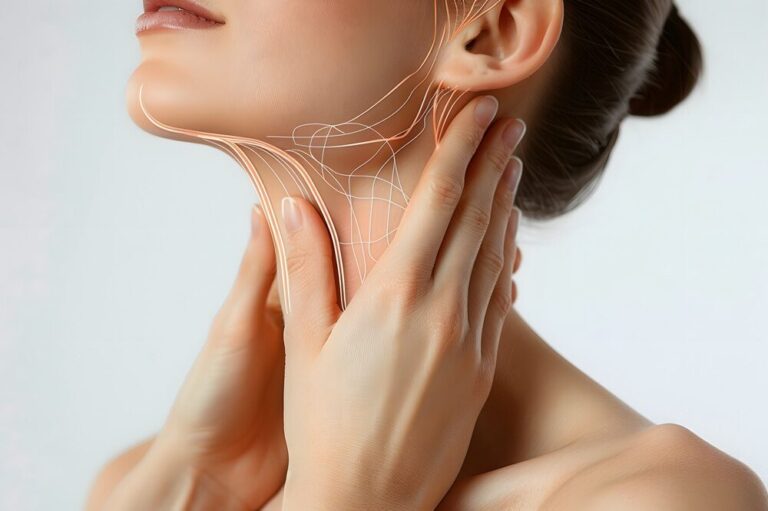
Step 2: Side of the neck at C1/C2 (Cervical and Supraclavicular Nodes). Lymph nodes are highly concentrated in the neck, where congestion can impede the drainage of the brain. Start by gently rubbing the Jugulodigastric Node, a large lymph node located behind and below the ear, where the jaw meets the neck. Next, place your hands under the jaw on the neck and gently pull the skin on the neck towards your back, then down towards your shoulder. Stroke gently downwards from the jawline to the collarbone with gentle pressure (3-5 strokes on each side). This stimulates the cervical lymph nodes, located along the sides of the neck. Gently work your way downward in the body to prevent backflow. This ensures that lymph fluid isn’t pushed into congested areas, potentially causing more swelling or discomfort, and allows for a more efficient and adequate drainage of lymphatic fluid from the entire body.
Step 3: Armpit (Axillary Lymph Nodes): Rub and tap under the armpit to stimulate drainage from the upper body. The armpit area contains axillary lymph nodes, which play a crucial role in draining lymph from the arm and chest. Place your hand under the armpit and gently pump upwards and towards the body. You can also make gentle, circular motions, then sweep down towards the center of your chest, then back up from your chest towards your armpits to stimulate lymph nodes in the armpit area.
Step 4: Abdomen (Para-aortic, Peri-aortic, and Mesenteric Lymph Nodes): Lymph nodes located within the abdominal cavity play an essential role in your body’s immune system, filtering lymph fluid, trapping bacteria and viruses, and ultimately returning the filtered fluid to the bloodstream. Supporting lymphatic drainage in the abdomen may help aid in digestion and overall gut health by promoting the movement of lymphatic fluid in that region.
Begin by massaging around the navel in gentle clockwise circular motions (starting from the right side of your abdomen, moving around to the left) to encourage lymph flow in the abdominal area.
You can also lie down to gently release the cisterna chyli, a dilated sac in the lymphatic system that serves as a reservoir for lymph fluid, located on the right side of the abdomen, typically behind the aorta and in front of the spine. The cisterna chyli serves as a conduit for lymph from the lower limbs, pelvis, and abdomen, ultimately directing it to the thoracic duct. To help drain the cisterna chyli, rest your little finger on the belly button, press down into the stomach, and on an outbreath, scoop up to the chest wall. Inhale deeply as you massage, and exhale slowly, visualizing relaxation in your abdomen. Focus on this for 1 minute.
Step 5: Groin (Inguinal Lymph Nodes): Place hands just below the hip crease, gently pull the skin in and then up. Gently massage along the groin crease in circular motions, gliding down toward the inner thigh for (3 circles and sweeps each side) to help move lymph fluid from the legs and facilitate drainage from the lower body.
Step 6: Behind the Knees (Popliteal): The popliteal lymph nodes are a cluster of lymph nodes located behind the knee, playing a role in filtering lymph fluid from the lower leg and foot. Begin by massaging and tapping behind the knees to help drain lymph from the lower legs. Press up into the back of the knee and rub in gentle, circular motions.
After completing all six points, perform gentle movement, such as bouncing or shaking, for 30 seconds to further activate lymphatic flow.
Lymph Essential Oil
Topically applied essential oils help enhance circulation and fluid flow, optimizing the benefit of the Big 6 practice.
Lymph encourages optimal lymphatic circulation to help open up routes of elimination and alleviate congestion.
Scientific studies have shown that these oils can enhance lymphatic flow, promoting a natural pathway for detoxification and bolstering the immune system. A study published in the Journal of Alternative and Complementary Medicine highlights the effectiveness of essential oils in promoting lymphatic circulation, offering a natural approach to enhance detoxification and immune function.
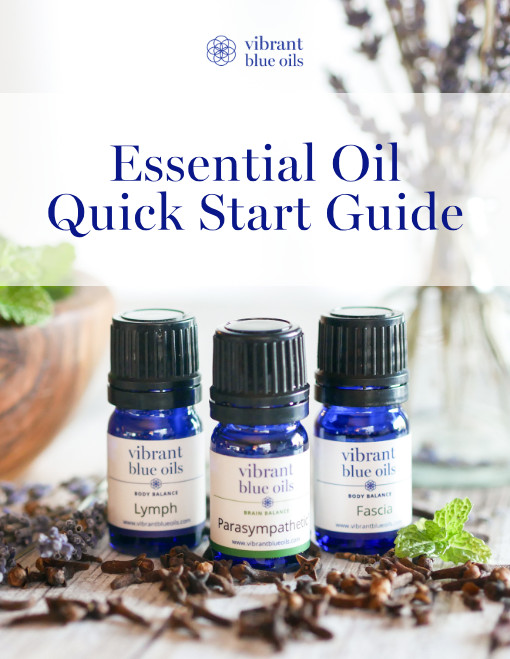
To enhance lymphatic flow and drainage, generously apply Lymph™ on the “BIG 6” – the clavicles, the neck, armpits, stomach, hip crease and back of the knees to help increase lymphatic drainage and circulation.
After applying Lymph™, you can gently pump your joints. Use the flats of your hands instead of your fingertips to allow more contact with the skin to stimulate the lymph vessels. Apply light pressure—just enough pressure to gently stretch the skin as far as it naturally goes. Then, release the pressure and allow your skin to return to its original state. If you can feel your muscles underneath your fingers, then you are pressing too hard.
After applying Lymph™, you can gently pump your joints. Use the flats of your hands instead of your fingertips to allow more contact with the skin to stimulate the lymph vessels. Apply light pressure—just enough pressure to gently stretch the skin as far as it naturally goes. Then, release the pressure and allow your skin to return to its original state. If you can feel your muscles underneath your fingers, then you are pressing too hard.
Vibrant Blue Oils Body Balance Lymph™ proprietary formulations include precise ratios of organic and/or wildcrafted therapeutic essential oils in a base of fractionated coconut oil:
Palmarosa (Cymbopogon martini): Helps stimulate cellular regeneration, re-establish the physiological balance of the skin, and treat intestinal disorders (including bacterial, viral, and yeast infections). A mild muscular tonic, Palmarosa helps stimulate sluggish digestion, normalize the thyroid, relax tight muscles, and warm the body. It helps calm excessive emotions. It also helps treat many anxiety disorders as well as nervous exhaustion, stress-related conditions, morning fatigue, and basic irritability.
Spearmint (Mentha spicata): It is refreshing to the muscular, nervous, and glandular systems. It helps stimulate your blood circulation.
Vitex Berry (Vitex Agnus castus): Helps regulate the liver and intestines to function correctly. Regulates female hormones by acting directly on the pituitary gland, helping to lower serum estrogen levels and increase progesterone levels. This oil has traditionally been used when treating female hormonal problems. It helps regulate menstrual bleeding and helps relieve cramps and PMS depression. It also helps relieve breast pain and swelling. It relaxes the nerves, soothes muscle spasms, relieves pain and edema, and works as a diuretic.
Ylang Ylang (Cananga odorata genuina): Calms the mind and soothes the nervous system. It has strong antidepressant properties, and it helps to bring the emotions into proper balance. It helps relieve mental fatigue, anxiety, and tension headaches, and helps balance the equilibrium and function of the heart and lungs, slowing down rapid breathing and heart palpitations.
Helpful for:
- Promoting circulation
- Relieving congestion
- Boosting Immunity
Here is a quick instructional video for better clarification: